
A kitchen fire is one of the most frightening events a homeowner can experience. In seconds, preparing a meal can escalate into an emergency as flames erupt from a skillet or a burner malfunctions. While your immediate focus is on safety, the moments following the incident present a new challenge: dealing with the aftermath.
Once the smoke clears, you face an environment compromised by char, structural soot, corrosive ash, and pervasive odors. Rushing into cleanup with standard household products can permanently set stains, drive soot deeper into porous surfaces, and spread toxic residues. Navigating this transition requires a systematic approach.
1. Stabilizing the Environment and Establishing Immediate Safety Zones
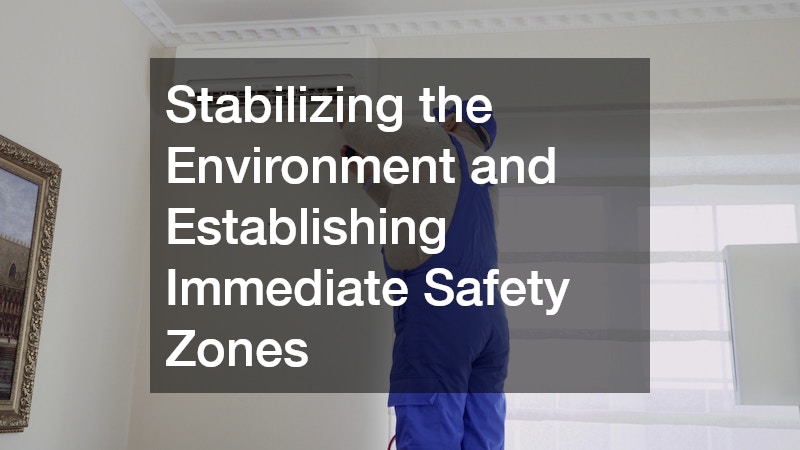
The first phase of kitchen remediation begins the moment the fire department clears the scene. Even if a stove fire seems small and contained, the combustion of cooking fats, plastics, and structural finishes releases a hazardous cocktail of carbon monoxide, formaldehyde, and fine particulate soot into the air. Before inspecting cabinets or wiping down countertops, your primary objective must be making the indoor air safe to breathe and stabilizing the physical environment.
To safely transition your space back to a clean home, you must understand the core principles of professional fire restoration protocols. Start by sealing off the kitchen from the rest of your home using heavy plastic sheeting to prevent soot particles from traveling into your ventilation system. Once the space is isolated, set up high-velocity floor fans in open windows to create a powerful negative pressure loop, drawing smoke and airborne ash directly outside.
-
Enforce a Strict PPE Protocol: Never enter a smoke-damaged kitchen without wearing an N95 respirator mask, heavy-duty nitrile gloves, and safety goggles to protect your lungs and skin from toxic ash.
-
Isolate Your Central HVAC System Completely: Turn off your home’s heating and air conditioning units immediately to prevent microscopic soot particles from contaminating your ductwork and spreading across your entire house.
2. Managing High-Risk Utility Isolations and Fuel Source Controls
Kitchen fires are often fueled or aggravated by highly volatile energy sources, such as natural gas, localized electricity, or liquid petroleum lines. When a stove burner overflows or experiences an electrical short, the surrounding high-heat environment can quickly threaten nearby fuel lines and pressurized storage tanks. Ensuring these utility connections are completely dead and isolated is a critical safety step before you introduce any cleaning solutions into the space.
If your kitchen utilizes specialized outdoor cooking setups, back-up generators, or rural appliance hookups, you must immediately locate and secure your external propane lines. Turn the main brass gas valves clockwise until they are completely closed to cut off the fuel supply to the room. If the fire occurred near a portable cooking appliance or an indoor-outdoor transitional stove, carefully inspect your heavy-duty propane cylinder for any signs of heat damage.
-
Execute a Systematic Three-Point Utility Shutoff: Turn off the main electrical breakers for the kitchen, close the localized gas valves behind the stove, and shut down the primary water intake lines to avoid secondary flooding.
-
Test for Invisible Gas Accumulations: Before operating any electrical switches or fans in a fire-damaged home, use a portable combustible gas detector to verify the air is completely free of fuel vapors.
3. Dissecting Ash Chemistry and Executing Soot Remediation
Soot is not just a cosmetic blemish; it is a highly corrosive, acidic compound that chemically bonds with surfaces as it cools. Kitchen fires involving cooking fats, oils, and animal proteins produce “protein soot.” This specific residue is virtually invisible but creates a sticky, highly pungent grease film that will permanently discolor plastics, stained woods, and porous grouts if it isn’t neutralized with the correct chemical solvents within the first 24 to 48 hours.
To clear away these stubborn residues without ruining your walls, you must hire a professional hazardous waste disposal service to transport contaminated materials away from your property. Standard household cleaners contain water-based formulas that will smear grease-based protein soot, pushing the acidic compounds deeper into your drywall and cabinetry. Instead, use dry-chem sponges to lift away dry soot, followed by specialized heavy-duty alkaline degreasers designed to break up and neutralize acidic grease films on contact.
-
Utilize Dry-Chem Restoration Sponges First: Wipe down dry, non-greasy soot zones using firm, parallel strokes with a vulcanized rubber sponge, completely avoiding liquid sprays until the loose dust is lifted.
-
Apply High-pH Alkaline Neutralizing Cleansers: Wash down all greasy cabinet faces and backsplashes with a professional heavy-duty trisodium phosphate (TSP) solution to break down acidic protein residues.
4. Salvaging Kitchen Commodities and Managing Bulk Food Stocks

A major stove fire fills your kitchen with intense heat and toxic, chemical-laden smoke that can ruin your stored food supplies, pantry stocks, and baking ingredients. High-heat exposure can cause canned goods to warp or split, creating hidden breeding grounds for dangerous food-borne bacteria.
During your food safety audit, be incredibly strict with bulk culinary ingredients, dry baking items, or specialized flavor concentrates like bulk fruit powder stocks. Even if these items are stored inside sealed jars or overhead pantries, the extreme heat can ruin their nutritional quality, melt their plastic seals, and let toxic smoke vapors seep inside. Throw away any food item that was exposed to heat or smoke, remembering the golden rule of kitchen restoration: when in doubt, throw it out.
-
Discard All Soft-Plastic and Cardboard Food Packages: Throw away any boxed cereals, wrapped snacks, and plastic spice containers that were in the room, as smoke particles can easily pass through these materials.
-
Inspect Canned Goods for Thermal Bulging: Check your canned goods and jars for any signs of swelling, rusting, or lid warping; throw away any compromised containers immediately to avoid botulism risks.
5. Remediating Heavy-Duty Cooking Byproducts and Grease Traps
The primary cause of catastrophic kitchen fires is the unexpected ignition of accumulated cooking fats, oils, and grease. When a skillet is left unattended on a hot burner, the liquid fat can rapidly reach its flashpoint, bursting into intense flames that can quickly jump to overhead microwave fans, wood cabinets, and extraction vents. Cleaning up after a grease fire requires a deep, thorough scrub of your entire kitchen layout, including areas far away from the stovetop.
To prevent future fire hazards and restore your kitchen’s safety, you should look into professional commercial grease recycling services to clean out your under-sink traps and grease collection barrels. These environmental specialists use industrial vacuum gear and specialized enzymes to completely remove hardened, flammable grease deposits from your plumbing and vents. Cleaning your grease lines thoroughly ensures your kitchen stays free of old odors and fire risks.
-
Clean Overhead Range Hood Vent Networks: Remove all aluminum mesh filters from your range hood and soak them in a heavy-duty degreasing bath to remove highly flammable oil coatings.
-
Scrub In-Line Plumbing Grease Traps: Flush out your sink lines and collection traps using professional grease-cutting formulas to clear away rancid fats that trap smoke smells.
6. Implementing Proper Cooking Oil Management Protocols
Once your kitchen’s surfaces are clean and free of soot, you must take a close look at the daily kitchen habits that may have contributed to the fire. A very common mistake that leads to kitchen fires is keeping open jars of old cooking oil right next to the stove, or pouring hot fat directly down the trash can or sink. Storing flammable oils near high-heat burners creates an immediate safety hazard, while pouring fat down the drain destroys your plumbing and violates local environmental laws.
To build a safer, code-compliant kitchen, you must set up an organized system for professional cooking oil disposal right in your home. Store your used cooking fats in solid, heat-resistant metal containers kept far away from your stove or oven.
-
Use Temperature-Controlled Metal Oil Cans: Store your used frying oils in heavy, airtight steel containers kept in a cool pantry, far away from active heat sources.
-
Never Pour Hot Oil into Plastic Trash Bags: Allow frying oils to cool completely before moving them into storage containers to avoid melting plastics and triggering fires.
7. Remediating Complex Electronic Components and Built-In Utilities

The intense heat, moisture, and chemical dust from a kitchen fire can easily ruin delicate electronic systems. Smoke can drift inside appliance cabinets, leaving a thin layer of conductive, acidic soot on internal circuit boards that can cause short circuits and permanent mechanical failure if powered on too soon.
Before you plug in or turn on any appliance that was in a fire-damaged room, you must call in professional technicians to check your home’s electrical outlets and internal wiring. If the fire damaged your built-in appliances, your insurance team may coordinate with a specialized appliance catering service team or factory-certified technicians to run complete electronic diagnostic tests. These experts will open up the appliance casings, clean soot off the internal circuit boards using specialized electronics cleaners, and run insulation tests to ensure the machinery is completely safe to use.
-
Perform Insulation Resistance Checks: Have a licensed electrician test all hidden kitchen wiring circuits to ensure the high heat didn’t melt wire insulation inside your walls.
-
Clean Circuit Boards with Specialized Solvents: Use non-conductive electronic cleaners to gently dissolve and remove acidic soot residues from appliance control boards.
8. Preserving Sensitive Aquatic Environments and Biological Enclosures
If your home features living micro-ecosystems near the kitchen, such as custom indoor terrariums, specialized hydroponic herb gardens, or exotic residential aquariums, a kitchen fire presents an immediate biological crisis. Smoke from burning kitchen fats can rapidly dissolve into exposed water surfaces. This contamination can instantly ruin your water chemistry, crash your biological filtration loops, and poison delicate aquatic life and exotic plants.
To save these delicate living spaces, act quickly to seal the enclosures and protect your water filters from airborne soot. Turn off all air pumps and wavemakers immediately to stop the machines from pulling toxic smoke down into the water. Cover the top of the enclosure with clean, damp towels and plastic wrap to block out the smoke, keeping your aquatic life safe while you clean the surrounding room.
-
Shut Down Air Intake Pumps Instantly: Turn off all protein skimmers, air stones, and aeration systems the moment smoke enters the room to prevent toxic air from mixing into the water.
-
Deploy High-Capacity Activated Carbon Media: Pack your water filtration loops with premium, laboratory-grade activated carbon to quickly absorb invisible chemical residues and plastic smoke odors.
9. Restructuring Hospitality and Event Kitchen Operations
When a kitchen fire occurs inside a commercial facility, such as a regional banquet hall, a local restaurant, or a high-volume catering company hub, the stakes extend past simple property damage. A fire in a commercial kitchen brings business operations to an immediate halt, threatening client contracts, ruining shifts, and risking heavy regulatory fines from local health inspectors. Commercial operations require an incredibly fast, highly organized restoration plan to get back into compliance and reopen safely.
To protect your business income while your main kitchen is being rebuilt, your management team must move quickly to set up alternative, code-compliant food prep stations. Working with regional restaurant networks allows you to lease certified commercial kitchen spaces or rent fully equipped mobile cooking trailers.
-
Secure Certified Emergency Backup Kitchen Spaces: Form agreements with local commercial commissary hubs to lease approved kitchen space, keeping your business running during your rebuild.
-
Execute Rigorous Sanitization Standards: Wash and sanitize every stainless steel prep table, commercial walk-in cooler, and meat slicer using professional, food-safe chemical washes.
10. Finalizing Certified Operational Health Clearances

Before any commercial kitchen or high-volume food service business can open its doors to the public after a fire, it must pass a series of strict structural and health inspections. Local health departments, environmental safety boards, and city building inspectors will thoroughly check your facility to ensure your walls are free of toxic soot, your venting hoods are clean, and your plumbing systems operate safely.
To ensure a smooth, successful reopening, your operations manager must work closely with an independent catering service auditor or certified industrial hygienist to run pre-inspection tests on your space. These professionals will take surface swabs to check for soot particles, run chemical air quality tests, and verify that your water systems are completely clean. Passing these rigorous audits gives your business the official health certificates needed to reopen safely and confidently welcome back your guests.
-
Execute Formal Environmental Surface Swab Tests: Use professional chemical test kits to verify that your food-prep counters, lines, and storage shelves are completely free of microscopic soot particles.
-
Subpoena Professional Mechanical Ventilation Clearances: Secure official, signed safety certificates from your HVAC and hood cleaning contractors to prove your extraction systems meet all local fire codes.
Ultimately, long-term safety and success after a kitchen fire rely on your commitment to maintaining professional standards across your entire home or commercial business. Partnering with elite restoration teams, certified mechanical technicians, and top-tier environmental specialists removes the daily stress and uncertainty from the recovery process. Commit to absolute mechanical precision, prioritize an unshakeable culture of clean air and safety compliance, and deploy organized cleaning frameworks; by doing so, you will ensure your kitchen remains fully optimized, safe for food preparation, and ready to serve your family or clients for decades to come.